
Managing multiple client brands with manual email campaigns often means wasted hours and scattered communication standards. For IT agency owners and managers, finding ways to deliver consistent, personalized communication at scale is critical to retaining clients and strengthening brand impact. Learning how email platform automation works sets the stage for delivering professional-grade, white-label solutions that elevate both efficiency and control across a diverse client portfolio.
Table of Contents
- Defining Email Platform Automation Fundamentals
- Key Types and Variations Explained
- How Automated Email Platforms Operate
- Essential Features for Business Branding
- Risks, Costs, and Common Mistakes to Avoid
Key Takeaways
| Point | Details |
|---|---|
| Workflow Optimization | Automating repetitive email tasks enhances operational efficiency and reduces manual intervention. |
| Targeted Messaging | Personalizing communication based on user segments increases engagement and customer satisfaction. |
| Performance Tracking | Monitoring metrics is essential for refining communication strategies and ensuring effectiveness. |
| Common Risks | Successful automation requires awareness of pitfalls such as inadequate testing and lack of personalization to avoid diminishing returns. |
Defining Email Platform Automation Fundamentals
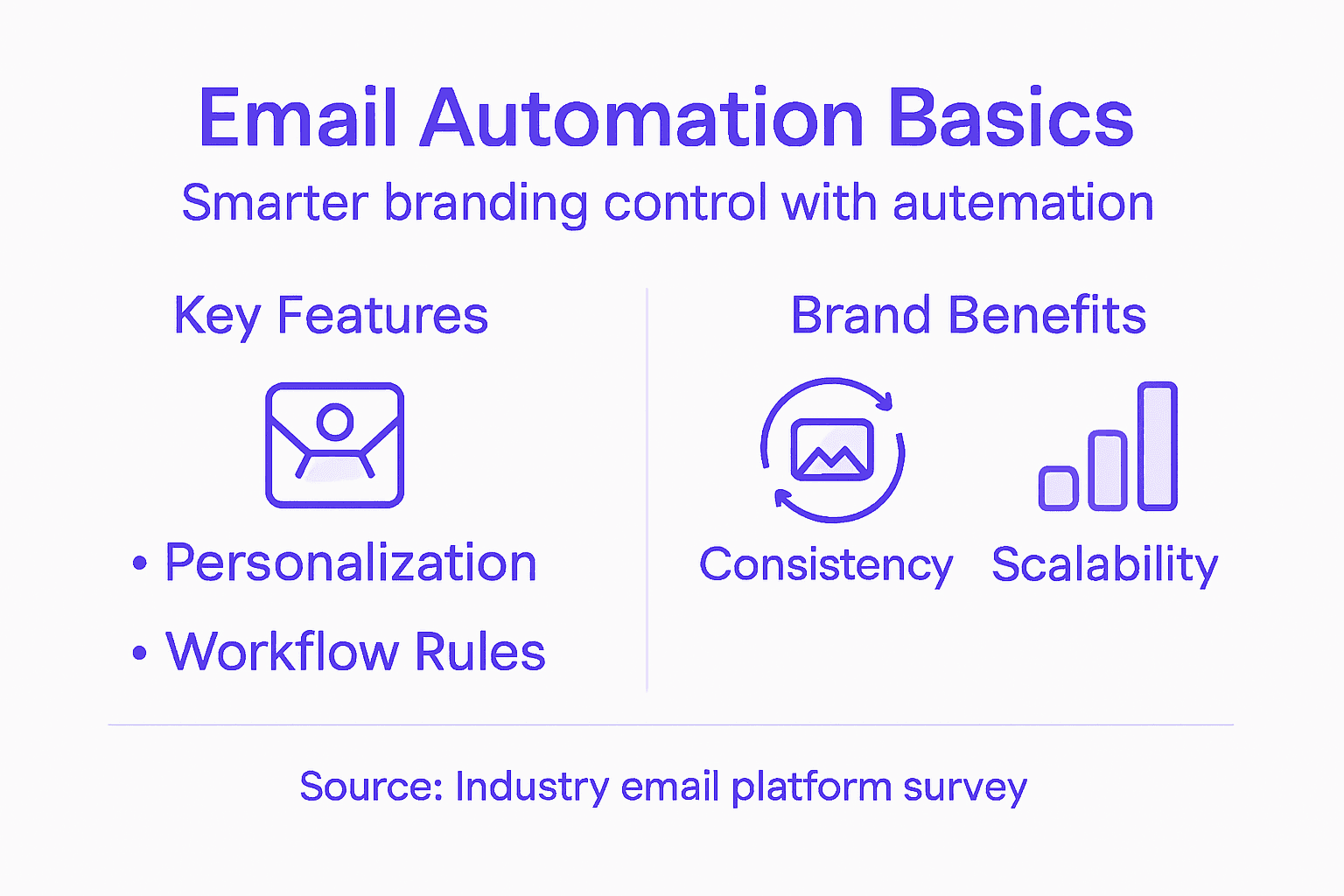
Email platform automation represents a strategic technological approach that transforms how organizations manage digital communication. At its core, automation enables businesses to streamline complex email workflows, reduce manual tasks, and deliver consistent, personalized communication experiences across multiple stakeholder groups.
The fundamental components of email platform automation include:
- Workflow Optimization: Automating repetitive email tasks to increase operational efficiency
- Targeted Messaging: Creating personalized communication sequences based on specific user segments
- Performance Tracking: Monitoring email engagement metrics to refine communication strategies
- Integration Capabilities: Connecting email systems with other business software platforms
Professional teams can leverage email workflow automation techniques to dramatically reduce administrative overhead while maintaining high communication standards. This approach transforms email from a time-consuming manual process into a strategic communication tool that supports broader organizational objectives.
By implementing advanced automation strategies, organizations can achieve significant improvements in communication consistency, response times, and overall stakeholder engagement. The technology allows for intelligent email routing, automatic filtering, template management, and seamless subscription handling – all critical functions for modern communication infrastructures.
Pro tip: Conduct a comprehensive audit of your current email communication processes to identify repetitive tasks that are prime candidates for automation.
Key Types and Variations Explained
Email platform automation presents diverse variations tailored to specific organizational needs and communication strategies. Automated email workflows fundamentally categorize communication processes into distinct types designed to address unique business objectives and customer engagement requirements.
The primary types of email automation platforms include:
- Trigger-Based Automation: Emails sent automatically in response to specific user actions or behaviors
- Lifecycle Marketing Automation: Targeted communication sequences aligned with customer journey stages
- Transactional Email Systems: Automated notifications related to purchases, account activities, or service interactions
- Segmentation-Driven Platforms: Tools enabling dynamic user categorization and personalized messaging
These platforms differentiate themselves through sophisticated features that support complex communication strategies. Advanced systems offer intelligent routing, dynamic content personalization, and seamless integration with customer relationship management (CRM) tools, transforming email from a simple communication channel into a strategic engagement mechanism.
Organizations can leverage these variations to create nuanced, responsive communication ecosystems that adapt to changing user behaviors and preferences. By selecting platforms with robust email automation capabilities, businesses can develop targeted, efficient communication strategies that enhance customer relationships and drive meaningful interactions.
Here’s a summary comparing different types of email automation platforms and their primary use cases:
| Platform Type | Main Focus | Typical Use Case |
|---|---|---|
| Trigger-Based Automation | Event-driven messages | Welcome emails after sign-up |
| Lifecycle Marketing Automation | Journey-based sequences | Nurturing leads through stages |
| Transactional Email Systems | Notifications and alerts | Order confirmations and receipts |
| Segmentation-Driven Platforms | Personalized targeting | Sending unique offers to segments |
Pro tip: Evaluate your specific communication needs and select an email automation platform that offers the most flexible and comprehensive feature set for your unique organizational requirements.
How Automated Email Platforms Operate
Automated email platforms function through sophisticated software architectures designed to streamline communication processes with precision and intelligence. Email workflow automation enables organizations to create intelligent systems that manage complex communication tasks without constant manual intervention.
The core operational mechanisms of these platforms include:
- Trigger Detection: Identifying specific user actions or system events that initiate automated email sequences
- Dynamic Content Generation: Assembling personalized email content based on recipient data and predefined rules
- Intelligent Routing: Directing emails through optimized pathways based on recipient characteristics
- Performance Tracking: Monitoring email engagement and automatically adjusting communication strategies
These platforms leverage advanced algorithmic capabilities to transform communication from a manual, time-consuming process into a strategic, data-driven engagement mechanism. Automated email systems can track recipient interactions, segment audiences dynamically, and generate contextually relevant communications that adapt in real-time to changing user behaviors.

By integrating sophisticated data analysis, machine learning, and predefined workflow rules, automated email platforms create responsive communication ecosystems that can scale across diverse organizational needs. The technology enables businesses to maintain consistent, personalized communication without sacrificing efficiency or individual communication nuance.
Pro tip: Develop comprehensive user journey maps to create more precise and effective automated email triggers that align with your specific business objectives.
Essential Features for Business Branding
Business branding through email platforms requires sophisticated technological capabilities that go beyond simple communication tools. Email marketing software features represent critical infrastructure for organizations seeking to maintain consistent and professional brand communication across diverse channels.
Key essential features for effective business branding include:
- Customization Tools: Advanced design interfaces allowing complete brand visual alignment
- Dynamic Content Personalization: Ability to tailor messaging for specific audience segments
- Comprehensive Analytics: Tracking engagement metrics to refine communication strategies
- Seamless Integration: Connecting with existing CRM and marketing technology ecosystems
- Multi-Channel Consistency: Ensuring uniform brand messaging across different communication platforms
Modern email platforms leverage advanced marketing technologies to provide businesses unprecedented control over their communication strategies. These systems enable granular customization, allowing organizations to create highly targeted, contextually relevant email experiences that reinforce brand identity and drive meaningful engagement.
Successful brand communication through automated email platforms requires a strategic approach that balances technological capabilities with creative messaging. By selecting platforms with robust feature sets, businesses can transform email from a simple communication channel into a powerful brand-building tool that delivers consistent, personalized experiences across diverse audience segments.
Pro tip: Conduct periodic brand communication audits to ensure your email automation platform consistently reflects your organization’s evolving visual and messaging standards.
Risks, Costs, and Common Mistakes to Avoid
Email platform automation presents significant opportunities, but organizations must navigate potential pitfalls strategically to maximize their investment. Common automation pitfalls can undermine the intended benefits if not carefully managed and proactively addressed.
Critical risks and mistakes in email platform automation include:
- Improper Workflow Design: Automating inefficient or broken communication processes
- Lack of Personalization: Treating all audience segments with generic messaging
- Inadequate Testing: Failing to validate automation sequences before full deployment
- Overlooking User Preferences: Ignoring unsubscribe requests or communication boundaries
- Insufficient Performance Monitoring: Not tracking key engagement and conversion metrics
Email automation mistakes frequently stem from treating automation as a technical solution rather than a strategic communication approach. Successful implementation requires a nuanced understanding of audience needs, technological capabilities, and continuous optimization.
Organizations must invest time in developing comprehensive automation strategies that balance technological efficiency with human-centered communication principles. This approach helps mitigate risks, control implementation costs, and create meaningful engagement that supports long-term business objectives.
The following table outlines major risks in email automation and strategies to prevent them:
| Risk | Example Consequence | Prevention Strategy |
|---|---|---|
| Poor Workflow Design | Inefficient communication | Map and review all workflows |
| Lack of Personalization | Decreased engagement rates | Use dynamic content and user data |
| Ignoring User Preferences | Increased unsubscribes | Honor all opt-outs promptly |
| Inadequate Testing | Broken or redundant emails | Run thorough pilot campaigns |
Pro tip: Develop a phased implementation strategy that includes pilot testing, stakeholder feedback, and incremental scaling to minimize potential automation risks.
Take Full Control of Your Email Branding with Automated Platforms
Email platform automation enhances branding control by enabling businesses to deliver personalized, consistent communication while reducing manual overhead. If your challenge is maintaining full brand ownership with seamless automation and managing complex email workflows efficiently, AtrioMail offers a scalable, white-label solution designed just for your needs. Our platform automates critical infrastructure tasks like DNS validation (MX, SPF, DKIM, DMARC) so you can focus on creating dynamic, branded email experiences that match the sophisticated workflows described in this article.
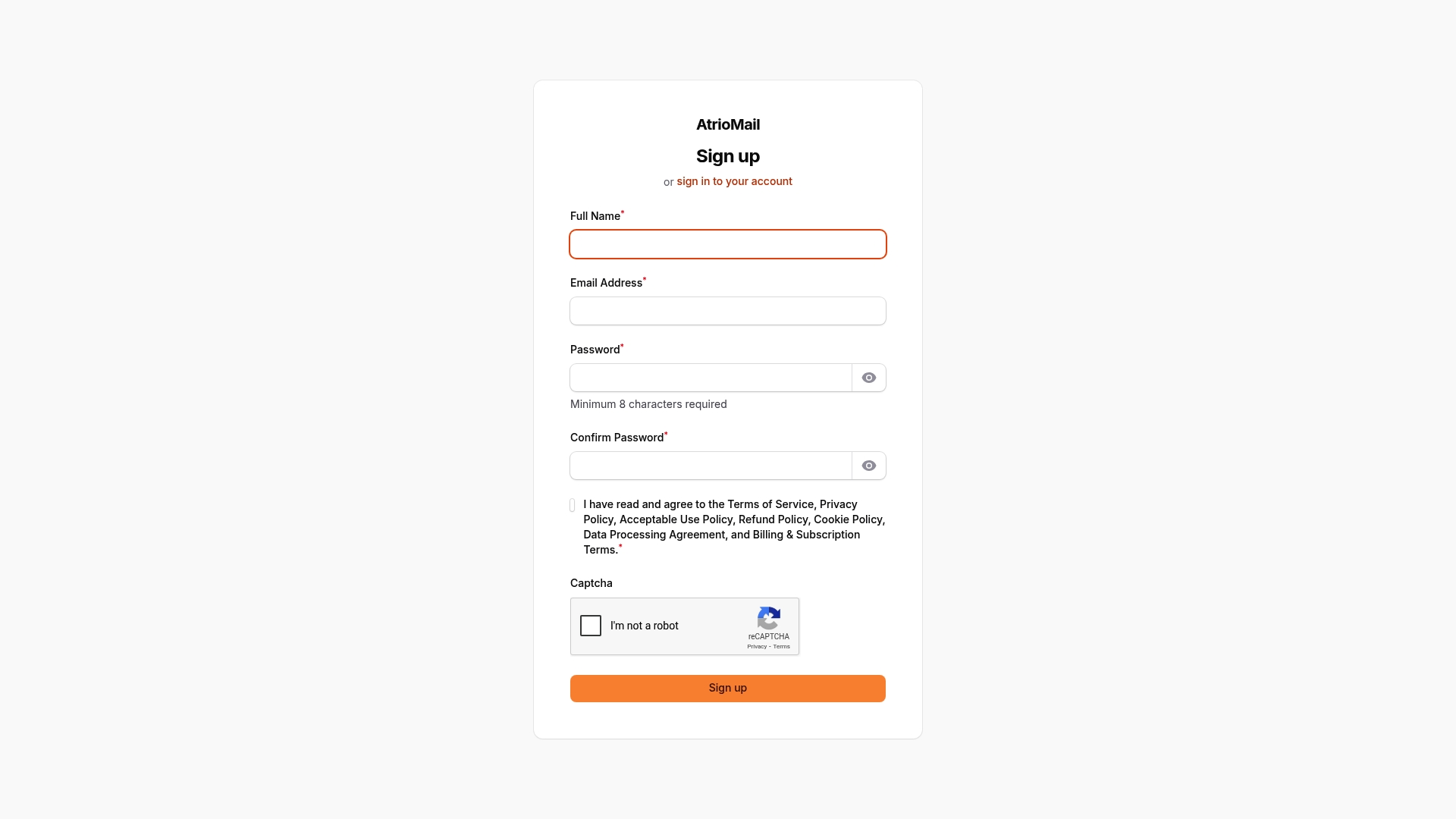
Discover how AtrioMail empowers resellers, hosting providers, and IT agencies to build independent email platforms with comprehensive brand customization and reliable automation. Take advantage of our fully managed, enterprise-grade infrastructure and secure your competitive edge today. Start your journey now by registering at AtrioMail to unlock advanced email automation capabilities and maintain complete branding control.
Frequently Asked Questions
What is email platform automation?
Email platform automation is a strategic approach that enables organizations to streamline digital communication workflows, reduce manual tasks, and deliver personalized email experiences to different stakeholder groups.
How can automated email systems enhance brand communication?
Automated email systems can enhance brand communication by providing features such as dynamic content personalization, customization tools, and analytics that allow businesses to create targeted email campaigns while maintaining consistent branding across various channels.
What are the main types of email automation platforms?
The main types of email automation platforms include trigger-based automation, lifecycle marketing automation, transactional email systems, and segmentation-driven platforms, each designed to meet specific communication goals and customer engagement needs.
What are common mistakes to avoid when implementing email automation?
Common mistakes include improper workflow design, lack of personalization, inadequate testing of automated sequences, overlooking user preferences, and insufficient performance monitoring, all of which can undermine the effectiveness of email automation.