
More than 92 percent of American businesses face hidden risks in their everyday email exchanges. For IT agency owners, even minor privacy lapses can erode client trust and undermine brand reputation. Choosing white-label email hosting goes beyond simple customization. It’s about taking full control of client data protection, meeting strict compliance needs, and building sustainable profitability in an environment where privacy misconceptions are common and costly.
Table of Contents
- Defining Email Privacy and Common Misconceptions
- Types of Email Data and Privacy Features
- Legal Regulations Shaping Email Privacy
- Risks of Poor Email Privacy for Agencies
- Building Compliance and Brand Trust with SaaS
Key Takeaways
| Point | Details |
|---|---|
| Email Privacy Risks | Email communications are vulnerable to unauthorized access, making strong security practices essential for protection. |
| Misconceptions | Many users wrongly assume their emails are secure, neglecting sophisticated threats like phishing and third-party scanning. |
| Regulatory Compliance | Compliance with laws like GDPR and CCPA is crucial for protecting user data and maintaining trust. |
| Proactive Strategies | Organizations should implement multi-factor authentication and conduct regular privacy audits to enhance email security. |
Defining Email Privacy and Common Misconceptions
Email privacy represents more than just keeping messages confidential. At its core, it involves protecting electronic communications from unauthorized inspection, tracking, and potential misuse. Unlike traditional mail, emails are vulnerable to multiple points of interception during transmission, which makes understanding privacy complexities critical for businesses and individuals alike.
Understanding email privacy requires recognizing its fundamental challenges. Email privacy involves significant unauthorized access risks, particularly as messages traverse multiple servers and potentially cross international boundaries with varying legal regulations. This means your email can be viewed, scanned, or potentially compromised at numerous points during its journey from sender to recipient. Cybersecurity experts highlight that most users mistakenly believe their emails are completely secure, when in reality, they are often treated more like digital postcards than sealed letters.
Common misconceptions about email privacy can create dangerous false senses of security. Widespread cybersecurity myths persist, including beliefs that strong passwords automatically guarantee protection or that encryption provides foolproof security. These dangerous assumptions can lead organizations and individuals to underestimate the sophisticated methods cybercriminals use to intercept and exploit email communications. Phishing attacks, server vulnerabilities, and third-party scanning represent just a few of the nuanced threats that traditional security measures often fail to address.
Here is a summary of common email privacy threats and business impacts:
| Threat Type | Description | Business Impact |
|---|---|---|
| Phishing Attacks | Deceptive emails tricking users | Data loss, financial damage |
| Metadata Exposure | Revealing communication details | Operational leaks, espionage |
| Third-Party Scanning | Unwanted data access by external systems | Loss of trust, compliance risk |
| Server Vulnerabilities | Weaknesses in storage/transit infrastructure | System breaches, downtime |
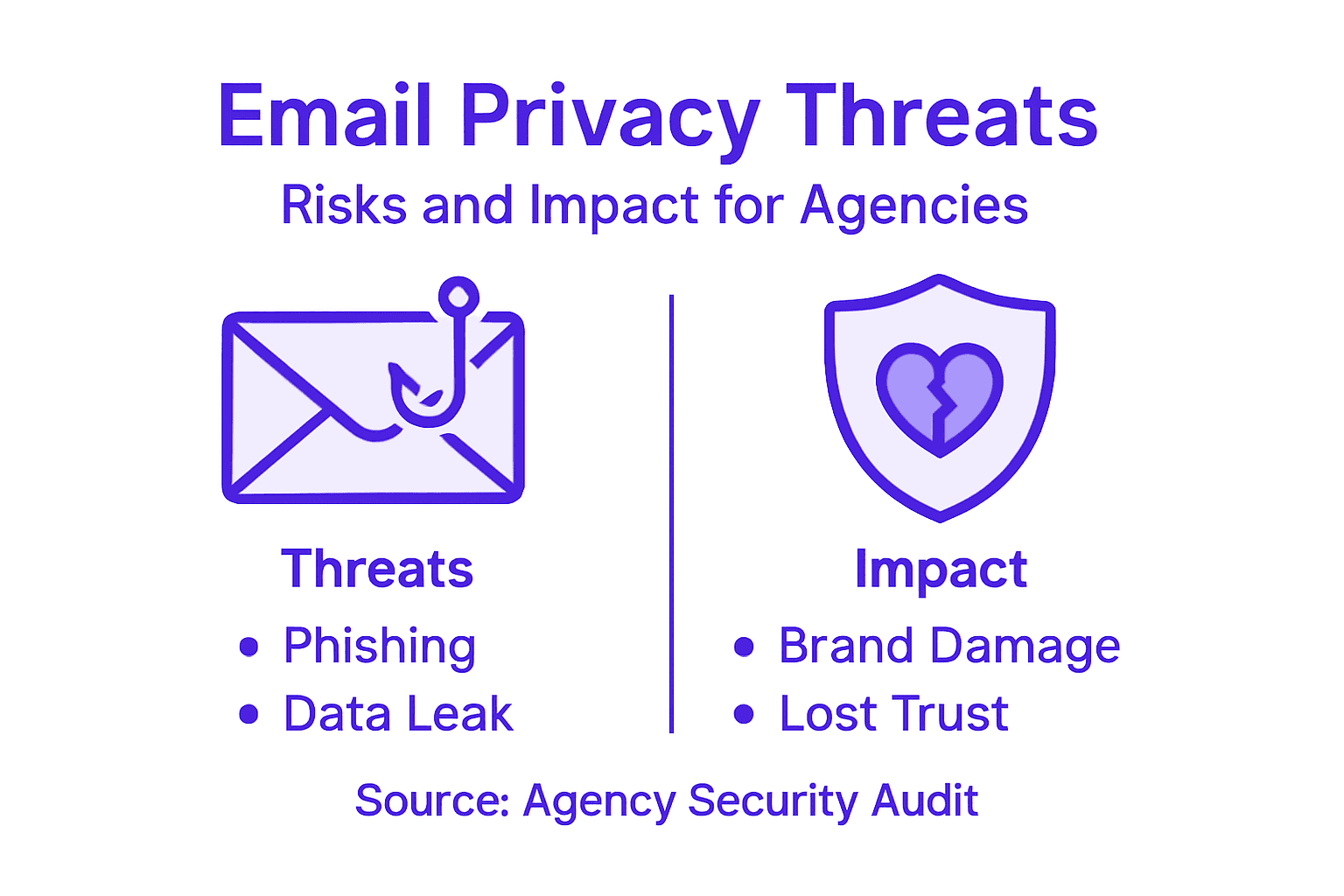
Pro tip: Implement multi-factor authentication and use end-to-end encrypted email services to significantly reduce your vulnerability to unauthorized email access and interception.
Types of Email Data and Privacy Features
Email privacy encompasses a complex ecosystem of data types and protective mechanisms that go far beyond simple message protection. At its core, protecting email communications requires understanding the multiple layers of potentially sensitive information generated during digital interactions. Sensitive data within email systems extends well beyond the visible message content, including critical metadata that can reveal significant details about communication patterns.
Privacy-friendly email clients protect multiple data types, encompassing not just message content but comprehensive information categories. These include sender and recipient details, timestamps, IP addresses, device information, and communication metadata. Advanced privacy features involve sophisticated protection strategies like end-to-end encryption, metadata stripping, zero-access architectures, and robust tracking prevention mechanisms designed to shield users from unauthorized data collection and potential exploitation.

Organizations must develop comprehensive email privacy policies that clearly define data handling protocols. Email privacy policies regulate sensitive information management through precise guidelines covering critical aspects such as data processing, storage limitations, deletion procedures, access controls, and encryption standards. These policies serve as crucial frameworks for protecting user information, establishing consent management protocols, and defining strict boundaries for third-party data sharing. By implementing rigorous privacy features, businesses can create trust-based communication environments that respect individual privacy while maintaining operational efficiency.
Pro tip: Conduct regular privacy audits of your email systems to identify and address potential data vulnerability points, ensuring comprehensive protection across all communication channels.
Legal Regulations Shaping Email Privacy
Email privacy regulations represent a complex and dynamic landscape of legal requirements that fundamentally transform how businesses handle digital communications. The global regulatory environment has evolved dramatically, creating a challenging terrain for organizations seeking to maintain compliance while protecting user data. Compliance is no longer a simple checkbox exercise but a sophisticated strategic imperative that demands continuous adaptation and proactive management.
Email privacy laws critically influence business communication practices, with frameworks like GDPR, CCPA, and CAN-SPAM establishing stringent guidelines for data handling. These regulations mandate comprehensive requirements including explicit consent mechanisms, transparent data processing protocols, and robust user rights protections. Non-compliance risks are substantial, potentially resulting in significant financial penalties and severe reputational damage that can undermine an organization’s credibility and market position.
Looking forward, the privacy regulatory landscape continues to grow more intricate and region-specific. Global privacy trends highlight increasing regulatory complexity, with emerging regulations addressing nuanced aspects of data protection including children’s online privacy, expanded data definitions, and jurisdiction-specific compliance requirements. Organizations must develop adaptive strategies that integrate privacy by design principles, anticipate regulatory shifts, and maintain a proactive approach to data protection that balances innovation with legal obligations.
Compare major email privacy regulations and their focus:
| Regulation | Main Jurisdiction | Key Focus |
|---|---|---|
| GDPR | European Union | Explicit consent, user rights |
| CCPA | California, USA | Consumer data control, disclosures |
| CAN-SPAM | United States | Email opt-out, commercial restrictions |
| PIPEDA | Canada | Data protection, accountability |
Pro tip: Establish a dedicated compliance team that regularly monitors international privacy regulation changes and develops flexible, anticipatory data protection strategies.
Risks of Poor Email Privacy for Agencies
Email privacy failures represent far more than abstract technical vulnerabilities. For agencies, they are existential threats that can instantaneously dismantle hard-earned trust and professional reputation. Cybersecurity breaches transform seemingly minor communication oversights into catastrophic operational risks that can devastate an organization’s credibility and financial stability.
Poor email privacy exposes critical organizational vulnerabilities, creating multiple attack vectors for malicious actors. Unencrypted metadata passes through numerous servers, revealing sensitive communication patterns, operational relationships, and strategic details. Agencies face sophisticated threats including phishing attempts, spoofing campaigns, data breaches, and unauthorized access mechanisms that can rapidly compromise entire communication infrastructures. These risks extend beyond immediate financial losses, potentially triggering regulatory penalties, client distrust, and long-term reputational damage that can take years to rebuild.
Confidential document transmission presents particularly acute security challenges. Sending sensitive information via email introduces significant cybersecurity risks, including potential interception by cybercriminals, malware introduction through attachments, and social engineering attacks targeting unsuspecting employees. Weak password practices and inadequate authentication protocols compound these vulnerabilities, creating systemic weaknesses that sophisticated threat actors can systematically exploit. Modern agencies must recognize that email is not a secure communication platform by default, but a potential battlefield requiring continuous defensive strategy and technological sophistication.
Pro tip: Implement mandatory multi-factor authentication and comprehensive email encryption protocols across all agency communication channels to dramatically reduce potential security vulnerabilities.
Building Compliance and Brand Trust with SaaS
In the digital ecosystem, SaaS platforms represent more than technology solutions. They are trust frameworks where data protection, transparency, and ethical practices converge to define organizational credibility. Brand reputation emerges not just from service quality, but from demonstrable commitment to comprehensive security and regulatory compliance.
SaaS compliance encompasses strategic data protection protocols, extending far beyond basic regulatory checkboxes. These frameworks require implementing rigorous controls around data security, user privacy, risk management, and incident response mechanisms. The shared responsibility model demands that providers and customers collaborate, creating clear policies and maintaining a cultural commitment to proactive security measures. Effective compliance transforms from a potential liability into a significant competitive advantage, signaling organizational maturity and client-centric values.
Building brand trust in the SaaS landscape demands multifaceted strategies that go beyond technical implementations. Transparency and ethical conduct drive customer confidence, particularly around data handling practices and security commitments. Consistently delivering value, maintaining responsive support channels, and demonstrating genuine dedication to privacy laws create deeper customer relationships. Modern SaaS providers must position themselves not just as service vendors, but as trustworthy partners committed to protecting client interests and maintaining the highest standards of operational integrity.
Pro tip: Develop a comprehensive, publicly accessible compliance dashboard that provides real-time insights into your security practices, demonstrating radical transparency and building immediate customer trust.
Take Full Control of Your Email Privacy to Build Unshakable Brand Trust
The article highlights how poor email privacy poses serious risks such as data breaches, phishing, and loss of client trust. For agencies and resellers seeking to protect sensitive communications and comply with evolving regulations, maintaining complete control over email infrastructure is key. AtrioMail provides a white-label, fully managed email hosting solution that automates crucial security protocols such as DNS validation and empowers you to safeguard client data under your own trusted brand. With features like end-to-end encryption compatibility and multi-factor authentication support, you can confidently address the privacy challenges and regulatory complexity outlined in the article.
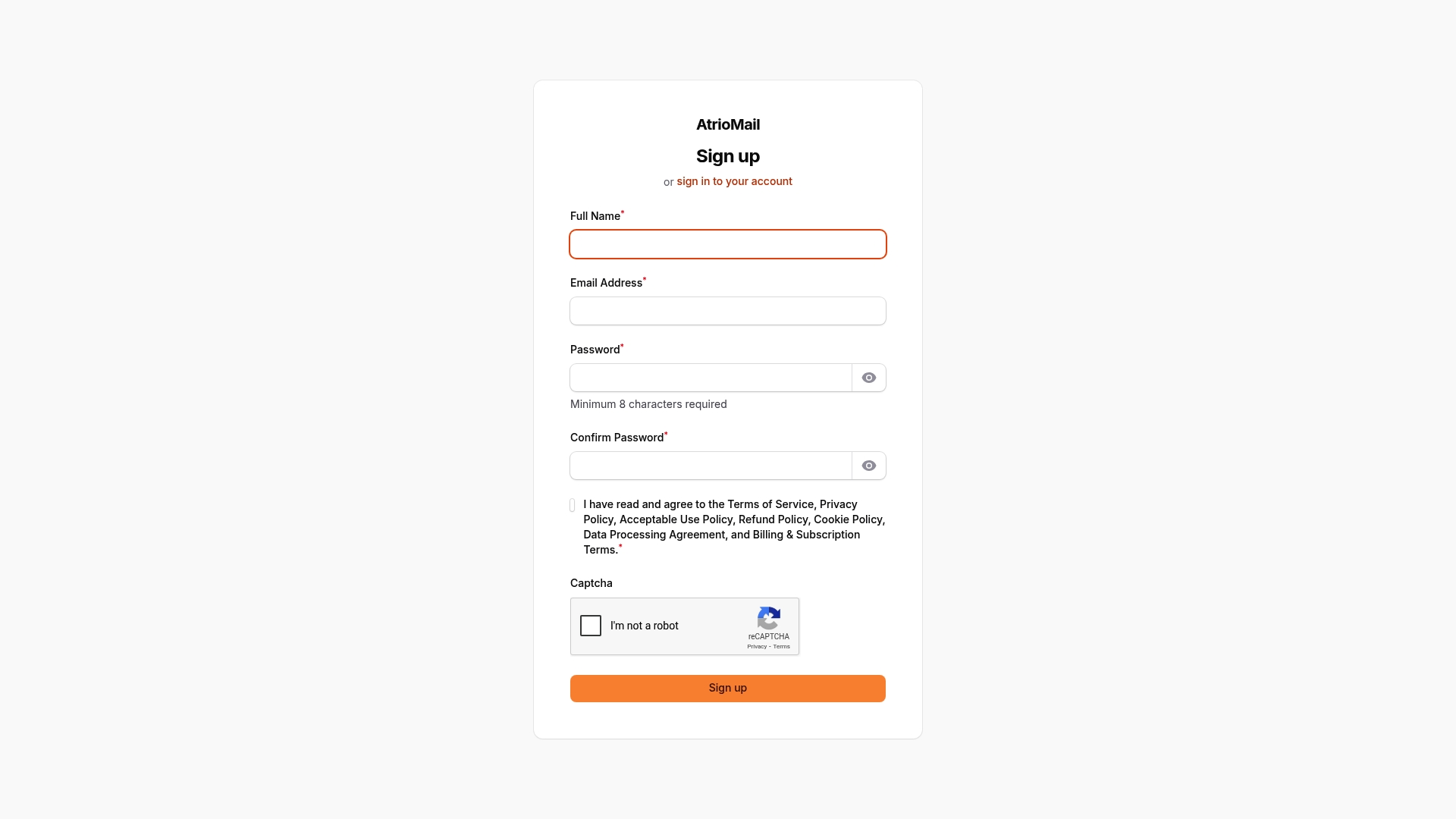
Ready to elevate your clients’ email privacy and strengthen your brand reputation? Discover how AtrioMail’s scalable, API-driven platform frees you from reliance on big ecosystems while maximizing profit margins and security. Start building a compliant, secure email service today by registering with AtrioMail. Learn more about how our platform helps you solve email privacy concerns with AtrioMail’s Managed Email Hosting and establish your independent branded email system now.
Frequently Asked Questions
What is email privacy?
Email privacy refers to the protection of electronic communications from unauthorized access, tracking, and potential misuse, ensuring that the content and metadata of emails remain confidential throughout their transmission.
How can poor email privacy impact a business’s brand trust?
Poor email privacy can lead to unauthorized data breaches, client distrust, and reputational damage. When customers feel their data is not secure, it undermines their confidence in a brand, potentially resulting in lost business and financial penalties.
What are common misconceptions about email privacy?
Common misconceptions include beliefs that strong passwords alone guarantee security or that encryption is foolproof. These assumptions can lead to underestimating sophisticated methods used by cybercriminals to exploit email vulnerabilities.
How can businesses improve their email privacy practices?
Businesses can enhance email privacy by implementing multi-factor authentication, using end-to-end encrypted email services, conducting regular privacy audits, and establishing comprehensive email privacy policies that outline data handling protocols.